A few years ago I read
Last Light by Terri Blackstock and as I started this blog and thinking more and more about preparedness, it came to mind so much, I re-read it (after checking it out of our local library). I'm realizing why my daughter does not like book reports - they're harder than you think!
Last Light tells the story of one family's experiences when earth is hit by continual EMPs (electromagnetic pulses). The EMPs knock out all electronic components, including vehicles, phones, and power. Deni is a recent college graduate focused on starting her career in Washington DC and how to get back there. Doug and Kay, Deni's parents, discover that their family's focus has been too much on the conveniences of the world and now they are forced to find new ways to provide for their family in a world without electricity. The whole family must face the nasty side of people looking out for their own families and they must make the decision of what's worth risking your life to defend. This book is awesome for inspiring us to be better prepared and remembering what is truly important - family, not things!
Each time I've read this book, it makes me think about the skills I would need to survive in this situation. How would my family handle this situation? Would we be prepared? What can we learn now that would be essential skills if we were facing this situation or something similar? If we wait until we're facing a NEED for these skills, they'll be hard to learn in the time available and we'll definitely have an advantage if we've practiced them beforehand.
Here are some skills that I've identified:
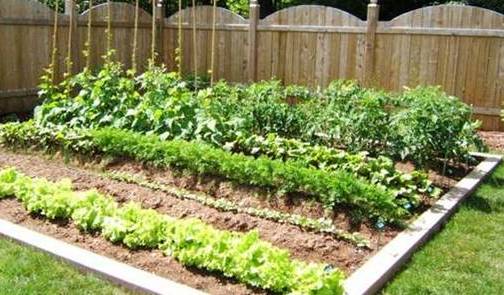
Gardening, Gardening always sounded easy to me. You put seeds in the ground, water them, and you grow food. But it's not so easy. I've done a garden of some kind almost every year for the past 10-15 years and every year I learn something new and realize how much more I need to learn. In addition to knowing how to prep the garden and plant the seeds correctly, it's also helpful to know when to harvest the foods.
Food Preservation. In addition to growing our own food, we need to know how to preserve. I have a dehydrator but I'm not thrilled with my dehydrating results, except for my beef jerky. My previous attempts have all turned out either too soft, or burnt. I have friends who know how to can and I really need to learn how but first I need to get my garden to product enough to can.
Hunting, My husband has volunteered to learn this skill for our family. Without him, I would probably have to become a vegetarian or rely on the skills of others. So far, my husband has gone deer hunting several times without success. It's not so easy to find the deer and then make the shot. I guess that means I should say that you need to have a rifle and/or gun plus ammunition, plus a knife you can use to prepare the meat.
Fishing. As we learned on our camping/fishing trip, you have to have the right equipment for where you're fishing. This is our second time at this river famous for it's trout with NO success! We finally attended a How to Fish this river class in the afternoon and confirmed we were using the right bait - but too big a line. The fish could see our line and wouldn't bite. Now we'll be better prepared on our next trip. And we need to learn the best way to clean the fish and cook it in such a way that all of us like it. Put fishing gear on your list of items to have.
Defense. In the story, the characters have to use their shooting skills not only to hunt, but also to defend themselves. In addition to hunting, my husband also works on his shooting skills by heading to the range. This is another area that I have little interest in but my husband, and my 9 y/o, really enjoy this as a hobby.
Composting. Having your own compost pile is a great way to help your garden grow AND to reduce the amount of waste generated by your family. In Last Light, the trash builds up without trash service, until someone teaches them how to reuse many items and how to compost.
How to wash and dry clothes without electricity, A few years ago we put up a clothesline because I didn't like that the dryer heated up our house during the summer. Last year, I used the clothesline almost exclusively from April until October because our dryer was not working correctly (it made the laundry smell nasty). Fortunately, by practicing over the previous summers, I'm pretty good at hanging out clothes in a way that doesn't make them stiff as a board. I didn't realize there were so many tricks to using a clothesline. As for washing, that's a skill I need to develop.
Cycling. In Last Light, the EMPs take out all vehicles that use a semi-conductor, which is most vehicles on the road today. Many people turn to cycling as their primary mode of transportation since this is a suburban area without horses. My husband is a pretty good cyclist (his favorite Saturday involves a 40-50 mile bike ride). I am not. I need to build up my endurance and strength on the bike and my daughters need to learn to ride without training wheels. We also need a way to haul cargo.
Powerless food preparation. I grew up in Girl Scouts learning lots of outdoor cooking methods but I haven't used them much since. I can cook in a dutch oven and that's one of our backup methods in case of a power outage in the winter - dutch oven in the coals of the fireplace. I can also use our barbecue grill and our camp stove. Things I'd like to learn/have: a fire pit in our backyard with a cooking grate,
a sun oven, pie irons (like we used camping with my mom).
Food Storage (you knew that was coming, right?). In Last Light, stores ran out of supplies quickly and without transportation, they did not get re-stocked. So having a well stocked home store would be a life saver in the situation presented in Last Light. But make sure you have a non-electric can opener :) Yes, I think a garden is essential too but if the situation started in the winter, starting a garden is not so practical living in the Midwest.
Water storage and purification. Having a supply of water is a great emergency preparedness supply. But eventually it will run out and I can't use the tap. So having a way to purify water, and knowing how to do it correctly, comes in handy, especially if we're having to relocate during the emergency. In Last Light, they learned how to turn everything that would work into ways to transport water so that having a bucket or two needs to be on the list of supplies.
Each year,
Food Storage Made Easy does a 7 day challenge and each day is a different situation. I've enjoyed reading the experiences that others share as they participate. Maybe this year, I'll take the challenge and see other areas I need to work on since I KNOW this list is not complete!
Do I believe an EMP is going to happen? I don't know. I've read another series of books where an EMP is deliberately caused as an attack against our country. I literally pray that these situations don't happen but in my ideal world, I'll be prepared if they do. And in many other less drastic situations, like a prolonged power outage due to natural disaster, these skills can all come in handy.
![I'm THRIV[E]-ing](https://blogger.googleusercontent.com/img/b/R29vZ2xl/AVvXsEh1qmqosaawYjPYTMmcKvDH9wKOO4mEQalcgEM-eSUXQOZMCi-B_-ox8kjfYOvO83nEG1_3dybIhC3sDQibDrnSVd6i1ETV5xhzEem6x506H9uUKoyvFLfolS_iNLR8bvfs-thncRpfMg0U/s1600/Blog+Header+with+thrive-foods.jpg)